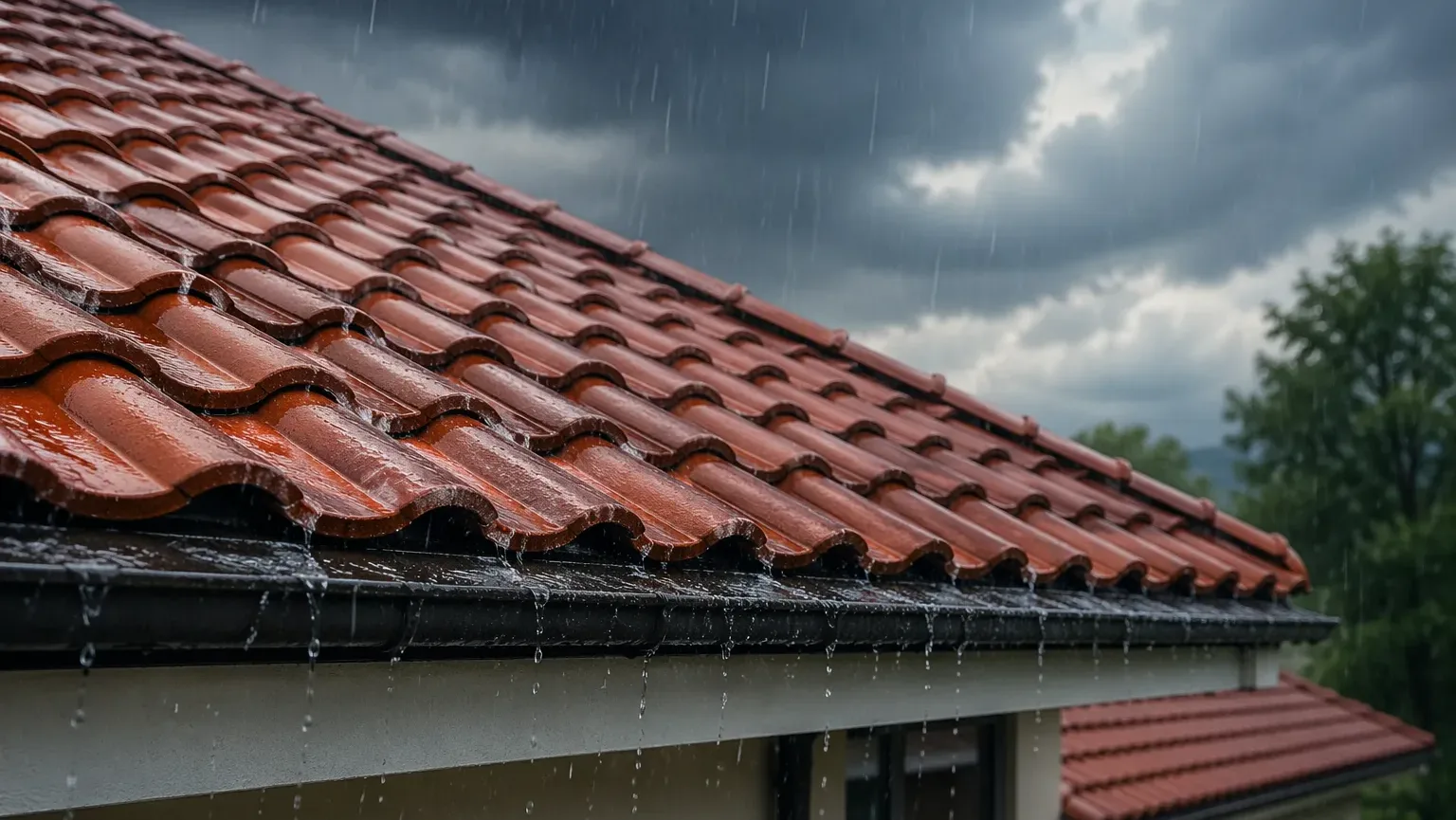
Water can move in unexpected ways beneath roof tiles, which helps explain why homeowners often find leaks some distance from their actual source, especially when water travels under roof tiles before becoming visible indoor. Instead of dripping straight down, water may enter at one point and travel along underlayment, battens, rafters, or decking before becoming visible indoors several feet away. In many cases, ceiling stains do not appear directly below the damaged tile, as water often follows the path of least resistance through roof components.
Singapore homeowners face added challenges during monsoon seasons, where heavy rain, wind-driven moisture, and repeated wetting can expose weaknesses in ageing roof systems. By the time interior damage becomes visible, moisture may already have spread across a wider section of the roof than expected. This guide explains how rainwater travels under roof tiles, why roof tile waterproofing systems sometimes fail, and what drives sideways water movement before leaks appear indoors.
How Singapore Roof Systems Are Designed to Handle Water
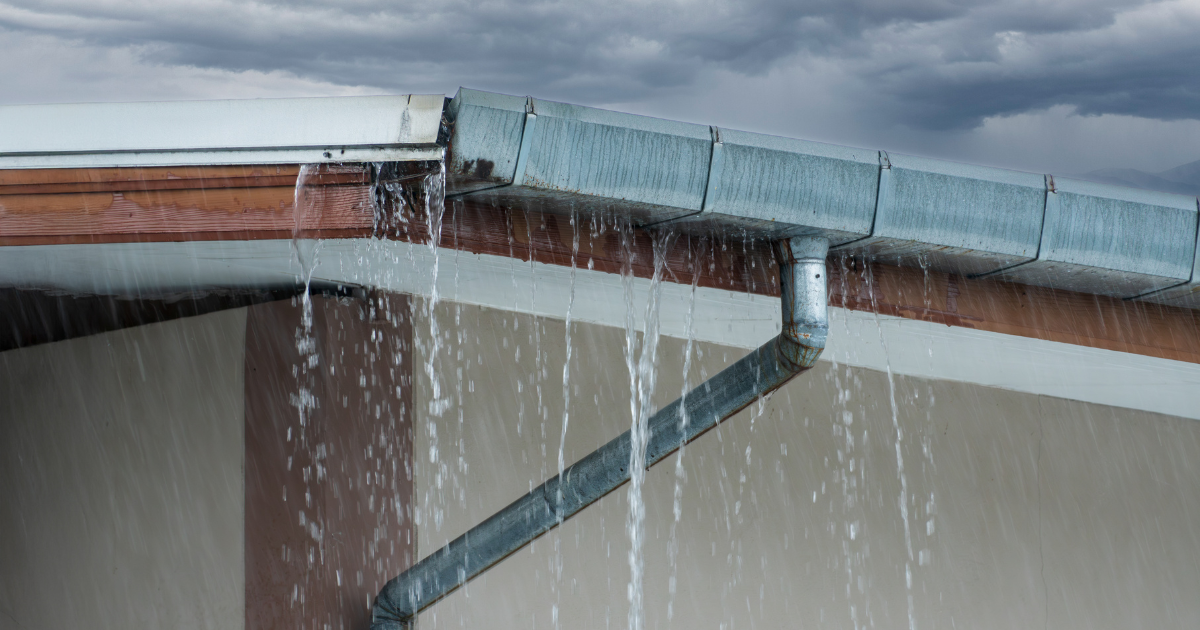
Roof systems in Singapore follow specific design principles that affect how water travels beneath roof tiles before problems become visible indoors. Roof tiles are designed to shed water rather than form a fully waterproof seal. Their overlapping layout helps direct rainwater towards gutters and drainage points, using gravity and roof slope to move water efficiently off the structure. However, wind-driven rain can still penetrate beneath tiles under certain conditions.
Because of this, the layers below the tiles play an important protective role. In tiled roof systems, the underlayment often serves as a secondary moisture barrier and drainage layer, helping to channel any water that passes the tiles safely away from the home. Battens may also create ventilation gaps beneath the tiles, allowing moisture to drain while improving airflow and reducing trapped dampness. When the underlayment becomes punctured or deteriorated, the system becomes more vulnerable to water intrusion.
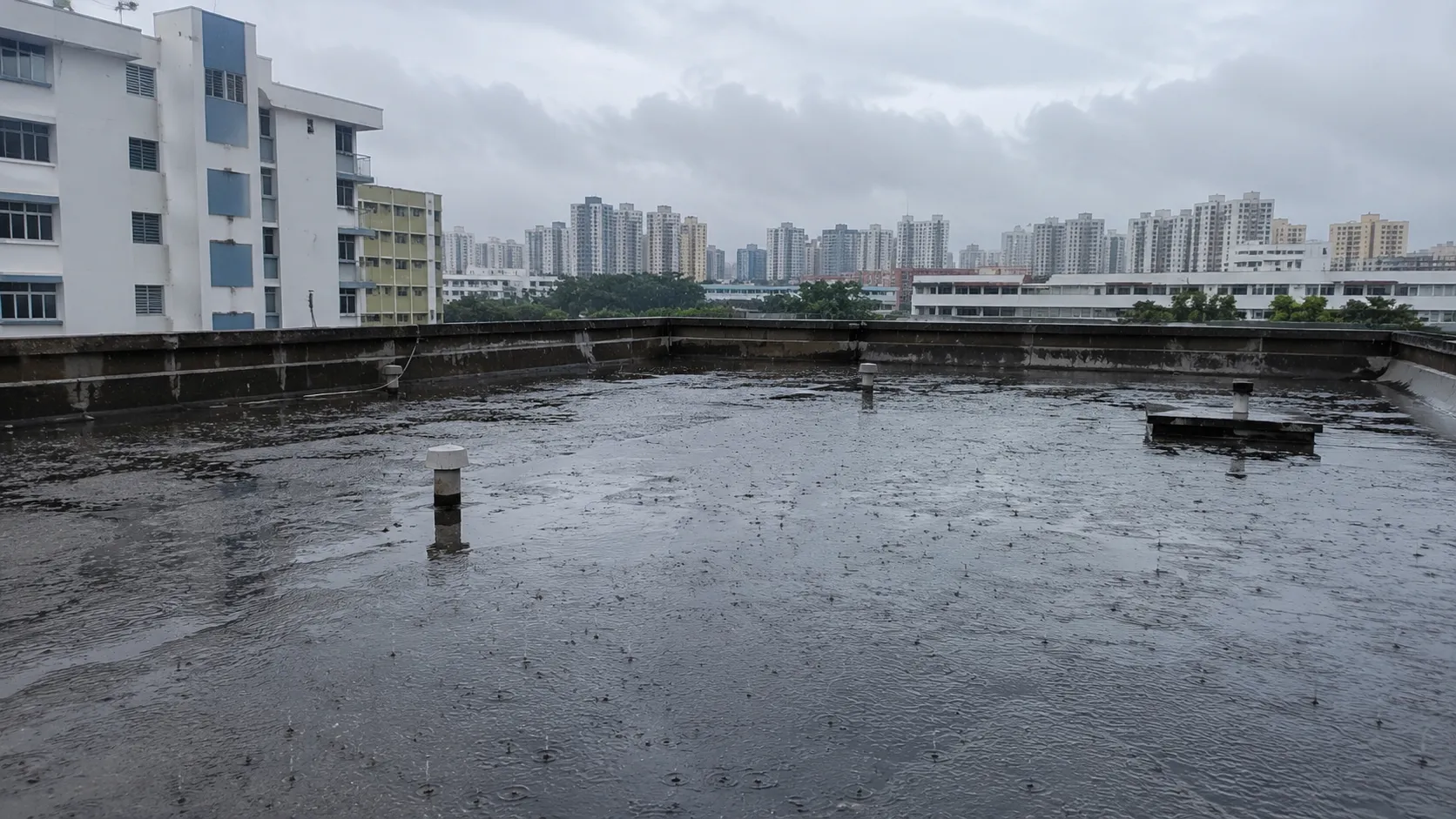
These design features are especially important in Singapore’s climate, where roofs are exposed to frequent heavy rain, high humidity, and strong sunlight throughout the year. Constant moisture tests drainage performance, while prolonged UV exposure can degrade roofing materials over time. This is why roof tile waterproofing maintenance is important, particularly during monsoon periods when even small weaknesses may lead to hidden water movement and indoor leaks.
What Drives Water Sideways Under Roof Tiles
Several forces can work together to push water beneath roof tiles and move it through concealed pathways before damage becomes visible indoors. Rain rarely falls straight down during storms. Wind can drive rain sideways or upward against roof surfaces, increasing the chance that moisture enters beneath tile edges, laps, or small gaps that may remain dry during calm weather. Strong winds can also increase the pressure at which rain strikes the roof, making wind-driven rain a common cause of moisture intrusion.
Physical deterioration often creates easier entry points for water. Roof tiles may crack, loosen, or shift over time, while joints, sealants, and flashing can wear down with age and weather exposure. Poor installation can further increase risk when overlaps are inadequate or components are not properly secured. Once these weaknesses develop, water is more likely to move beneath the tile surface rather than draining harmlessly away.
After entering the roof system, moisture can travel across underlying surfaces in several ways. Gravity remains the main force, but surface tension and capillary action may allow water to move through narrow gaps or along laps in the underlayment. Water can cling to roof decking, battens, or membranes and continue moving laterally until it reaches an opening or lower point.
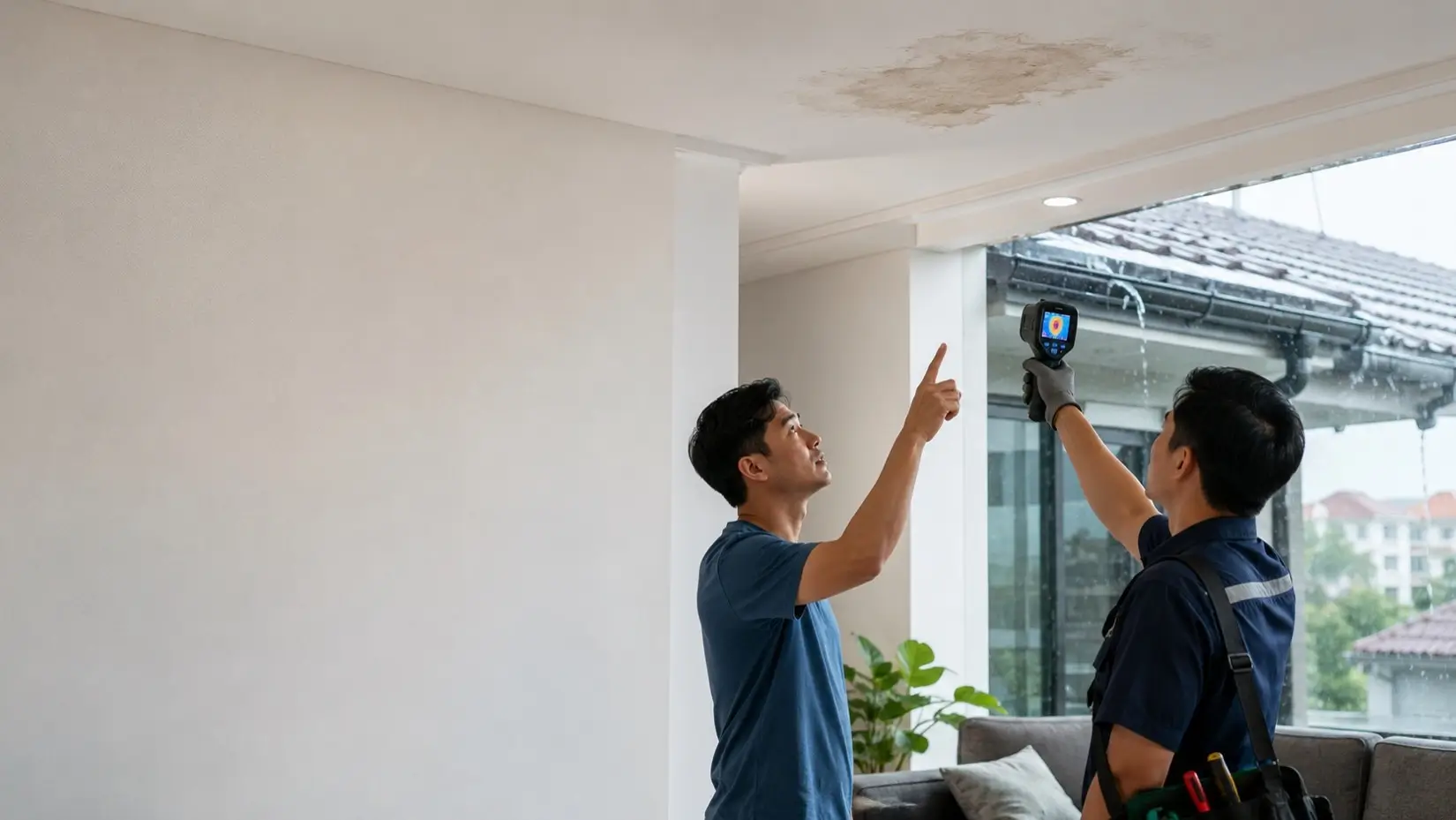
This is one reason leaks often appear far from their true source. Water may follow rafters, decking, sarking, or other framing members before becoming visible inside the home. Roof slope, structural layout, and material surfaces can redirect water away from the original entry point, so a ceiling stain may appear several feet from the damaged tile or failed flashing that caused the leak.
Preventing Water Travels Under Roof Tiles Before It Causes Interior Damage
Targeted maintenance can address roof vulnerabilities before monsoon rains expose them, helping to stop hidden water travel beneath tiles before interior damage occurs. Cracked, chipped, displaced, or missing tiles create easier pathways for rainwater during heavy downpours. When this happens, moisture may reach the underlayment and, if the secondary barrier is damaged or aged, continue into the roof deck or ceiling area. Tiles sitting unevenly or raised above the roof surface may indicate failed fixings, movement, or deteriorated battens that should be inspected promptly. Early repairs are usually more cost-effective than waiting until leaks spread and larger sections require replacement.
Roof junctions are another common weak point. Flashing around chimneys, vent pipes, skylights, parapet walls, valleys, and roof transitions should be checked regularly for corrosion, loose sections, gaps, or failed sealants. Many roof leaks originate at penetrations and junction details rather than the field tiles themselves. Where resealing is appropriate, product compatibility matters, especially when working with metal surfaces that may corrode if the wrong sealant is used.
When ageing roofs begin showing repeated moisture issues, improving roof tile waterproofing may be the better long-term solution. Professional waterproof coatings, membranes, and corrective detailing can strengthen resistance to water ingress, particularly in vulnerable areas such as valleys, ridges, junctions, and low-slope transitions. If your roof is showing signs of recurring leakage or weather-related wear, Secure Waterproofing can assess the condition of your tiled roof and recommend suitable waterproofing solutions tailored to Singapore’s climate.
Regular inspections are also one of the best ways to prevent costly emergency leaks. Scheduling checks before the heavier year-end rainy season allows time to repair cracked tiles, blocked drainage points, deteriorated flashing, or weakened protective layers while weather conditions are more favourable for works. Preventive maintenance completed in dry periods can greatly reduce the chance of sudden leaks during monsoon months. To arrange a roof assessment or preventive waterproofing service, homeowners can contact Secure Waterproofing.
Conclusion
Water’s hidden journey beneath roof tiles makes regular maintenance essential for Singapore homeowners. Leaks rarely appear where water enters, making proactive inspections more valuable than reactive repairs. Annual checks before monsoon seasons, paired with timely tile and flashing maintenance, provide the strongest defence against water damage. Early intervention stops small roof vulnerabilities from becoming expensive interior repairs.
FAQs
How can I tell if water is getting beneath my roof tiles?
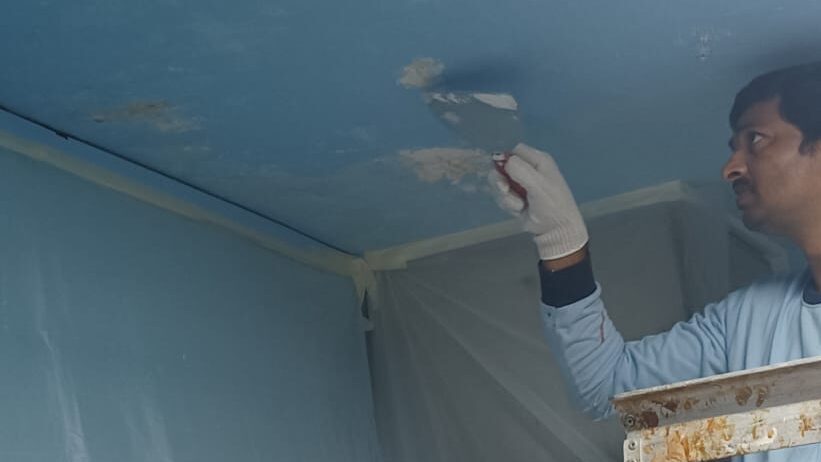
Look for ceiling stains, peeling paint, damp patches, sagging areas, and musty smells. These may indicate hidden moisture beneath the roof tiles.
What causes water to get under roof tiles?
Water can enter through cracked, loose, or displaced tiles, worn joints, and failed flashing. Wind-driven rain can also force moisture through small gaps.
Why does a roof leak show up far from the actual source?
Water can travel along underlayment, rafters, battens, or decking before appearing indoors. This is why the visible leak may be some distance from the entry point.
How do roof tiles protect a home from rainwater?
Roof tiles shed water down the slope of the roof through their overlapping design. The underlayment beneath provides secondary protection if water gets past the tiles.
When is the best time to schedule a roof inspection to prevent water damage?
It is best to inspect the roof before heavier rainy periods. In Singapore, many homeowners do this before the year-end monsoon season.