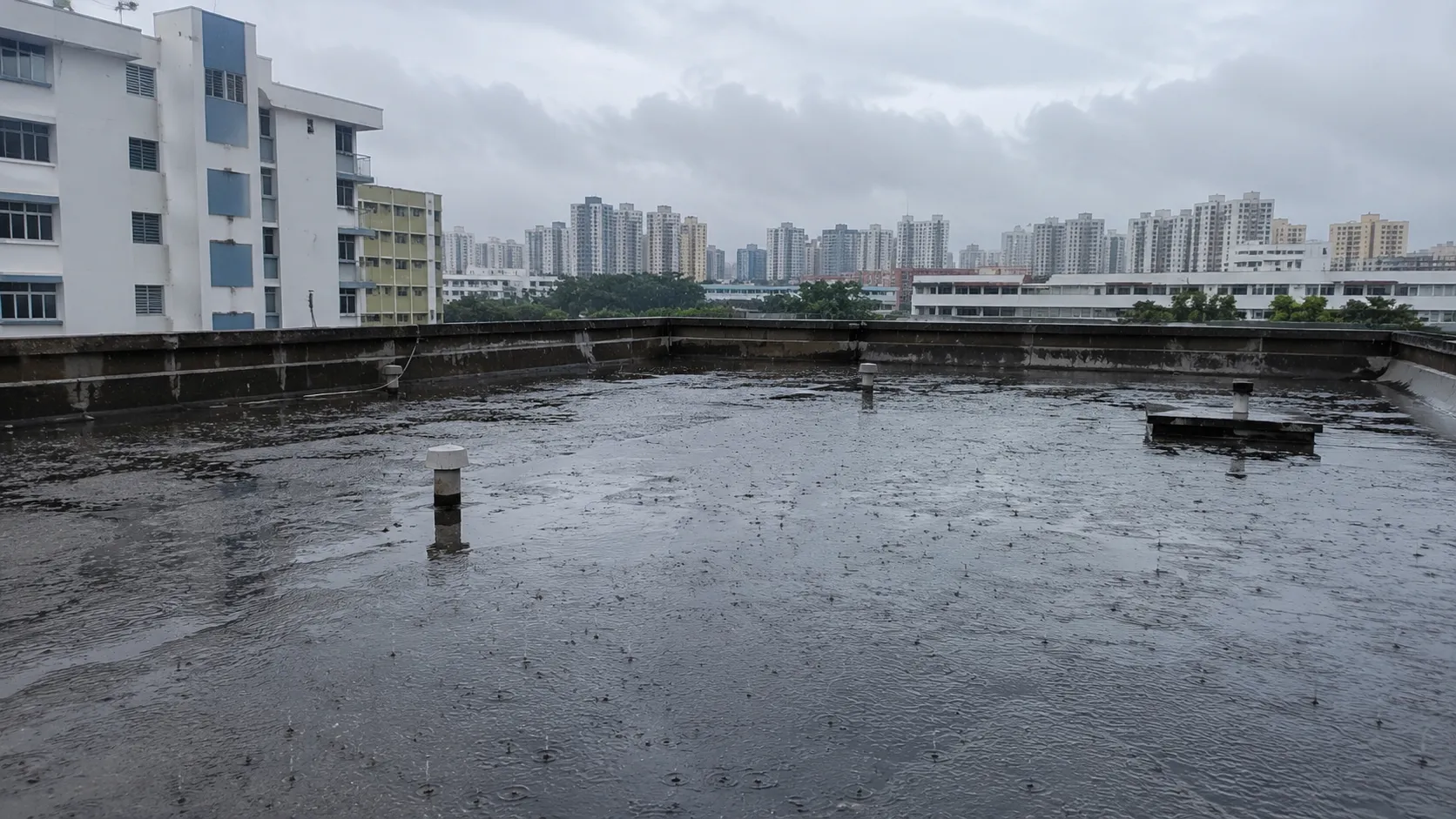
Singapore’s tropical climate, with its constant humidity and heavy rains, makes water damage a common headache for residential buildings. For MCSTs (Management Corporation Strata Titles), leaks and ceiling stains aren’t just an eyesore; they’re expensive and often signal deeper structural issues. When waterproofing fails, repairs can rapidly drain the MCSTs sinking fund meant for long-term upkeep and shared facilities.
This article explores how poor waterproofing impacts property value, eats into maintenance budgets, and what steps building managers can take to prevent major financial setbacks.
What Is the MCST Sinking fund and Why It Matters
The management of strata properties relies on proper financial planning to maintain building quality and value. At the core of this system lies a critical financial mechanism designed to protect property investments.
What is MCSTs?
Management Corporation Strata Title (MCST) refers to the legal entity responsible for managing strata-titled properties in Singapore. This juridical entity with perpetual succession is automatically formed when a developer submits the strata title plan to the Chief Surveyor and lodges a strata title application with the Singapore Land Authority’s Registrar of Titles. Essentially, the MCST oversees common areas in developments with multiple owners, such as condominiums and private apartments. The Building Maintenance and Strata Management Act (BMSMA), introduced in April 2005, provides the legal framework for MCSTs to self-govern and manage their estates effectively. As of recent data, Singapore has 4,593 registered MCSTs.
Purpose of the MCST sinking fund
The MCST sinking fund (also called sinking fund) serves as a financial buffer for large-scale repairs and long-term structural costs. Unlike the maintenance fund which covers day-to-day expenses, the sinking fund is designated for non-routine, major expenditures. This includes unexpected emergencies and substantial capital projects such as lift replacements, roof repairs, or building envelope issues. Moreover, the fund functions as a savings account that accumulates over time, ensuring sufficient resources are available for expensive, infrequent renovations. The annual allocation between maintenance and sinking funds is decided at the Annual General Meeting, with contributions collected as part of the monthly MCST fees.
Why a healthy sinking fund is critical
A robust sinking fund primarily protects property assets from deterioration and preserves market value. Properties with inadequate reserves face several risks: unplanned capital injections, increasing common expense fees, building deterioration, and decreased property values. By conducting regular sinking fund studies (ideally every three years), MCSTs can forecast the timing and costs of major repair works more accurately. Maintaining reserves at or near 100% of projected needs ensures financial stability and helps avoid unexpected burdens on residents when large-scale repairs arise.
The Impact of Poor Waterproofing on Property Assets
Poor waterproofing represents one of the most damaging threats to property assets, with implications extending far beyond surface-level leaks. While waterproofing typically constitutes only 2-5% of a building’s total construction expense, flawed implementation can account for nearly 80% of all construction-related problems.
Structural deterioration over time
Water infiltration sets off a chain reaction of damage that worsens over time. When moisture penetrates concrete, a naturally porous material, it eventually reaches the steel reinforcement bars and triggers corrosion. This internal rusting causes expansion, leading to cracks and concrete spalling. Left unaddressed, such deterioration can reduce a building’s structural lifespan by 25 to 50 years.
Moisture also affects other materials. It promotes wood rot, corrodes exposed metal fittings, and causes drywall to weaken or warp. Over time, these issues compromise the integrity of foundations, walls, ceilings, and internal systems, potentially making the property unsafe or uninhabitable.
Disruption to residents and tenants
Failed waterproofing creates significant inconvenience and health risks for occupants. Damp environments encourage mould and mildew growth within just 24 to 48 hours, leading to unpleasant odours and health problems such as allergies and respiratory issues.
Leaks may also damage personal belongings, including furniture, electronics, and important documents. In addition, water exposure increases the risk of electrical hazards like short circuits. What may begin as a minor leak often escalates into major disruptions that affect comfort, safety, and quality of life.
Decreased property value and tenant satisfaction
Properties with a history of water damage are often devalued in the real estate market. Buyers and tenants are typically cautious about buildings with moisture problems due to the likelihood of hidden defects and future repair costs. These concerns are frequently raised during inspections, leading to reduced sale prices or stalled transactions.
In many cases, MCSTs are forced to draw heavily from the sinking fund for urgent repairs. If parts of the building need to be vacated during restoration, rental income may also take a hit. This financial pressure can result in delayed maintenance, creating a cycle of deterioration that further reduces property value and resident satisfaction.
How Waterproofing Failures Drain the MCST Sinking Fund
Waterproofing failures can quickly become a major financial drain on MCST sinking funds across Singapore. Although waterproofing typically makes up only about 2-5% of a building’s construction cost, it can account for up to 80% of defect-related repair expenses. This disproportionate impact places significant pressure on even well-managed reserves.
When leaks occur, emergency repairs often take priority over planned maintenance. These reactive measures tend to be far more expensive than preventive waterproofing works. Once water infiltration damages structural elements, the MCST is obligated under the Building Maintenance and Strata Management Act to carry out rectification, regardless of who was originally at fault.
Water damage can also lead to legal disputes, especially when defects are traced back to poor workmanship or materials. Court records in Singapore reflect numerous cases where MCSTs have pursued claims against developers or contractors over waterproofing failures. Legal proceedings, settlements, and associated fees further drain the sinking fund.
Beyond emergency and legal costs, buildings with poor waterproofing require ongoing maintenance to manage recurring dampness, stains, and mould. This persistent need for repairs prevents the sinking fund from replenishing, trapping the MCST in a cycle of financial instability. Over time, what was once a healthy reserve can be reduced to an inadequate sinking fund, potentially resulting in special levies or emergency contributions from stakeholders.
Warning Signs Your Building Is at risk
Recognising early warning signs of waterproofing failures helps MCST committees take proactive action before minor issues become costly disasters. Several key indicators signal that your building might be at serious risk.
Costly and repeated emergency repairs
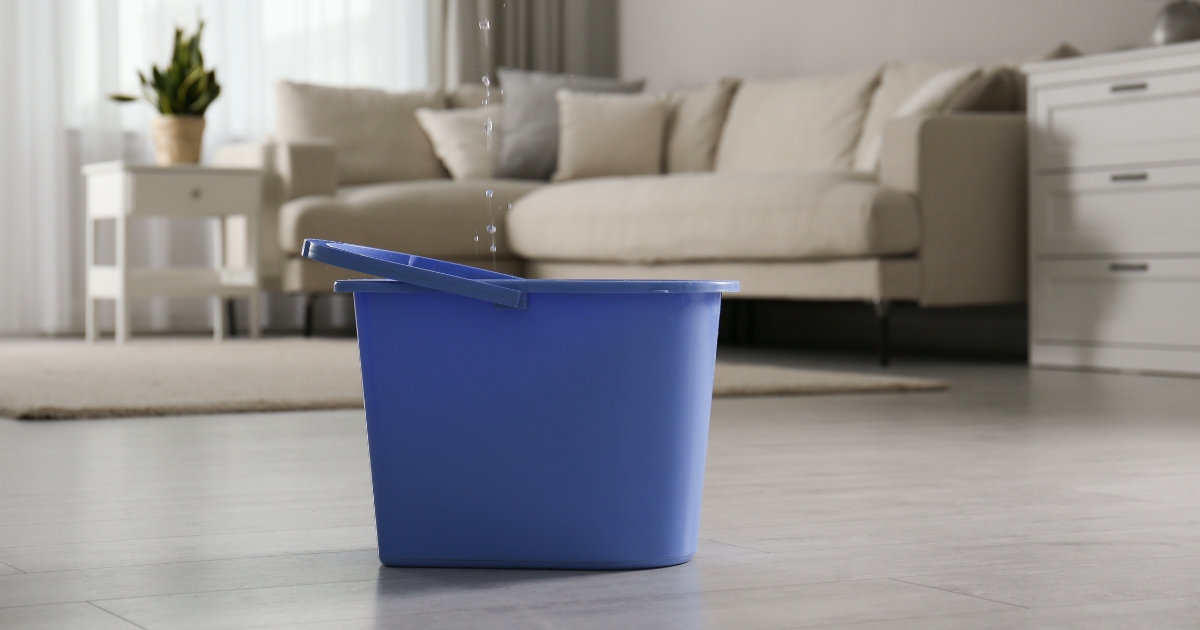
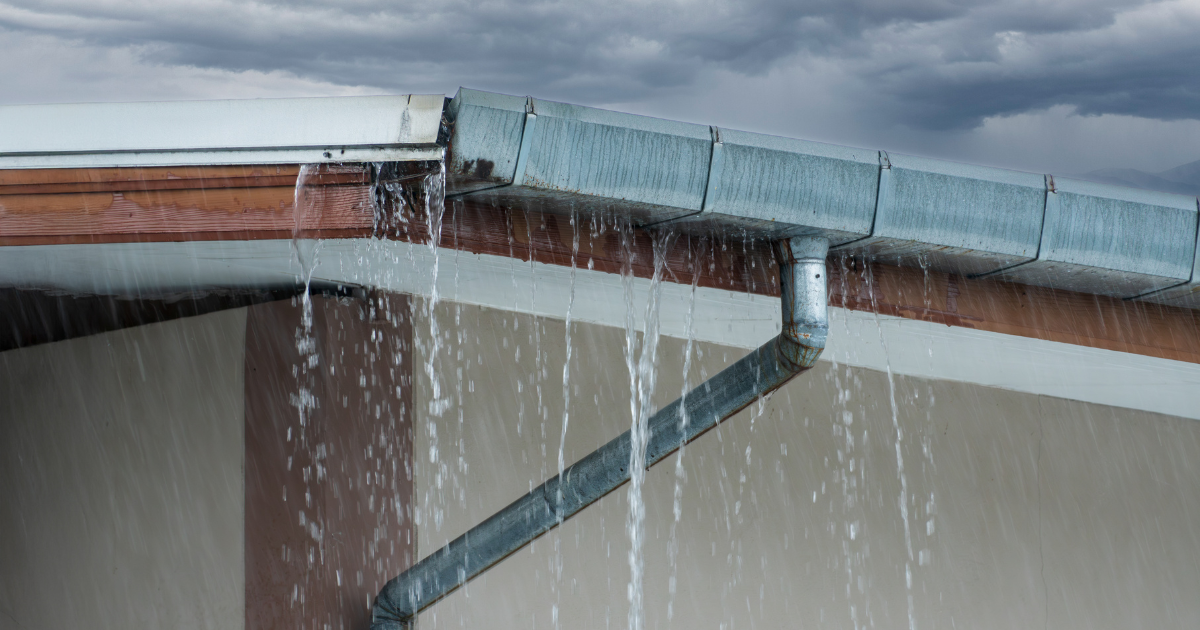
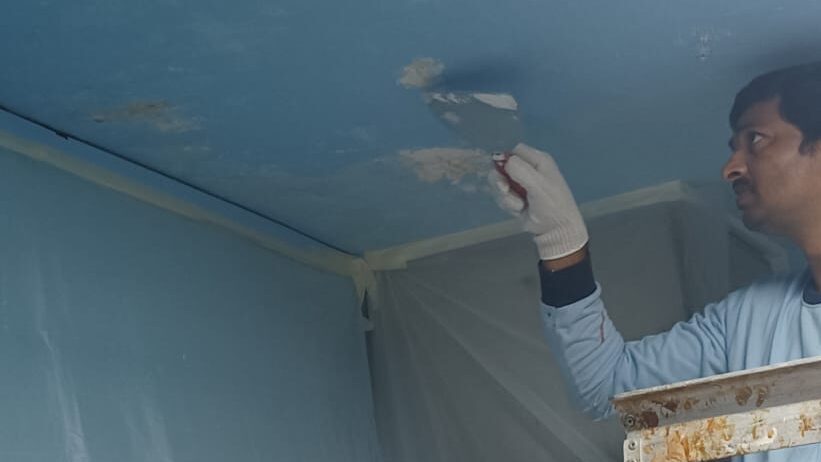
Recurring water stains, peeling paint, or bubbling wallpaper indicate persistent moisture problems that require attention. Visible drips during rainfall and the formation of mould or mildew are telltale signs of underlying waterproofing failures. Buildings experiencing multiple repair cycles for the same issue often face a deteriorating waterproofing system rather than isolated incidents. As these problems escalate, repair costs typically increase threefold compared to preventive maintenance.
Increased insurance premiums or denied claims
Insurance providers often raise premiums or restrict coverage for properties with history of water damage claims. Multiple moisture-related claims typically trigger coverage limitations for 3-5 years. More concerning still, insurers frequently exclude gradual water damage resulting from poor maintenance or neglected repairs. Previous water damage claims may substantially restrict future coverage options without proper remediation measures.
Budget blowouts and unplanned cash calls
Unexpected waterproofing failures frequently necessitate emergency capital calls when repair costs exceed allocated budgets. These unplanned expenses can rapidly deplete the MCST sinking fund, forcing special assessments on property owners. Importantly, waterproofing issues account for up to 80% of all construction-related problems despite representing only 2-5% of initial building costs.
Legal and reputational risks
Properties bear responsibility for damages caused to third parties, creating tort liability and subsequent reputational damage. This reputational harm extends beyond immediate financial losses, manifesting through negative media coverage, investor concerns, and tenant dissatisfaction. Additionally, buildings with maintenance failures face regulatory scrutiny and potential legal penalties, plus decreased occupancy rates and diminished asset values.
How to Safeguard Your Sinking Fund with Proactive Waterproofing
Proactive waterproofing management is a key pillar of financial stability for MCST committees. Routine inspections typically cost between $200 and $500, yet can prevent thousands in future repair costs. These assessments should be conducted every 2 to 3 years, with additional checks recommended after major weather events.
Establishing a dedicated maintenance schedule enables committees to address issues early, before they escalate into major structural or financial concerns. Ideally, MCSTs should allocate 20 to 30 percent of the annual sinking fund specifically for waterproofing and related structural maintenance.
Hiring qualified contractors is essential for long-term waterproofing success. Professionals with proper certification should provide clear documentation, including warranties that typically cover 5 to 10 years. They can also support the development of long-term strategies tailored to each property’s age, design, and risk areas.
Modern waterproofing technologies offer superior protection compared to outdated methods. For example, liquid-applied membranes deliver seamless coverage and can last over 15 years when properly installed. MCSTs should consider upgrading to such systems during scheduled renovation cycles to minimise disruption and maximise cost-efficiency.
Finally, educating building management teams plays a crucial role in prevention. Regular internal briefings can raise awareness of early warning signs and encourage prompt reporting. A vigilant and well-informed management team helps detect potential problems early, reducing the risk of emergency repairs and sinking fund depletion.
Protect Your Property Before It’s Too Late
Waterproofing failures don’t just cause structural issues, they can seriously undermine the financial health of even the best-managed MCST reserves. Whether your building is already showing signs of water damage or you’re looking to prevent future problems, proactive action is essential.
Secure Waterproofing provides reliable, long-term solutions tailored to Singapore’s unique climate and building regulations. From professional inspections to advanced waterproofing systems, our team helps MCSTs and property managers protect their properties with confidence and clarity.
Schedule a free consultation with Secure Waterproofing today and safeguard your sinking fund.
FAQs
Who is responsible for water leaks in Singapore condominiums?
In Singapore condominiums, responsibility for water leaks depends on the location and cause of the issue. MCSTs are responsible for maintaining common property waterproofing systems, while individual unit systems fall under the scope of the party managing the premises. Clear demarcation of responsibilities in the management agreement is essential to avoid disputes.
How often should waterproofing inspections be conducted?
Professional waterproofing inspections should be carried out at least every 2-3 years, with additional checks recommended after extreme weather events. Regular inspections help identify and address minor issues before they become major problems.
How can MCST committees safeguard their sinking fund from waterproofing issues?
MCST committees can protect their sinking fund by implementing regular waterproofing inspections, establishing a dedicated maintenance schedule, selecting qualified contractors, considering modern waterproofing technologies, and educating residents about the importance of waterproofing and early leak detection.
What are the warning signs that a building may be at risk of waterproofing failures?
Warning signs include recurring water stains, peeling paint, bubbling wallpaper, visible drips during rainfall, mould or mildew formation, repeated emergency repairs for the same issue, increased insurance premiums or denied claims, budget blowouts, and unplanned cash calls for repairs.
.