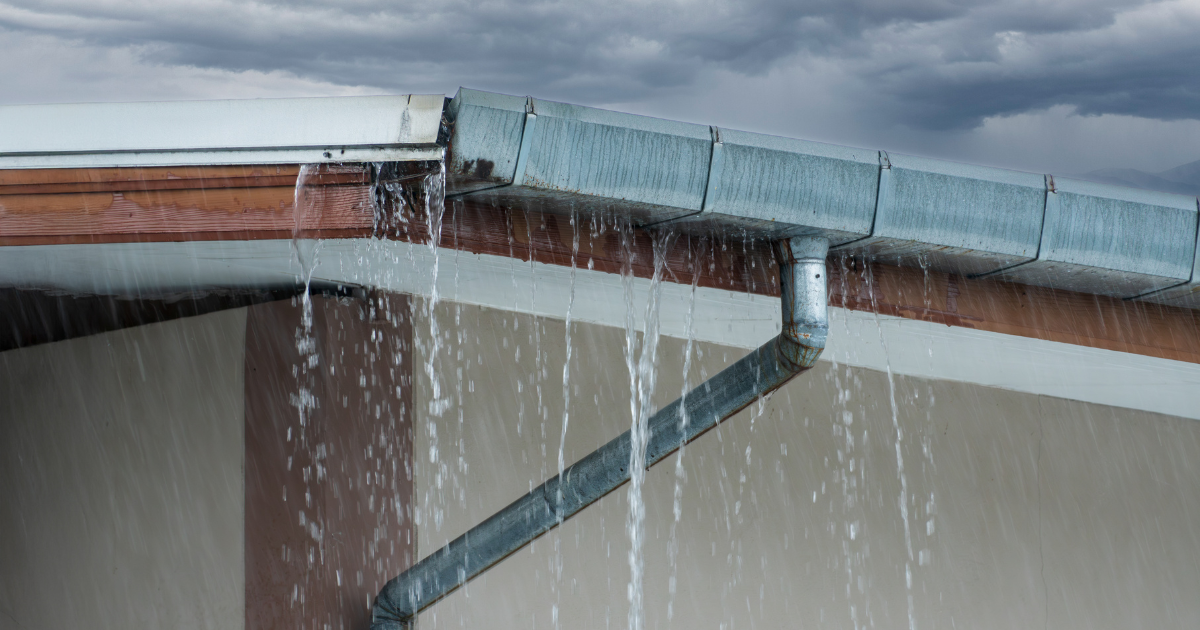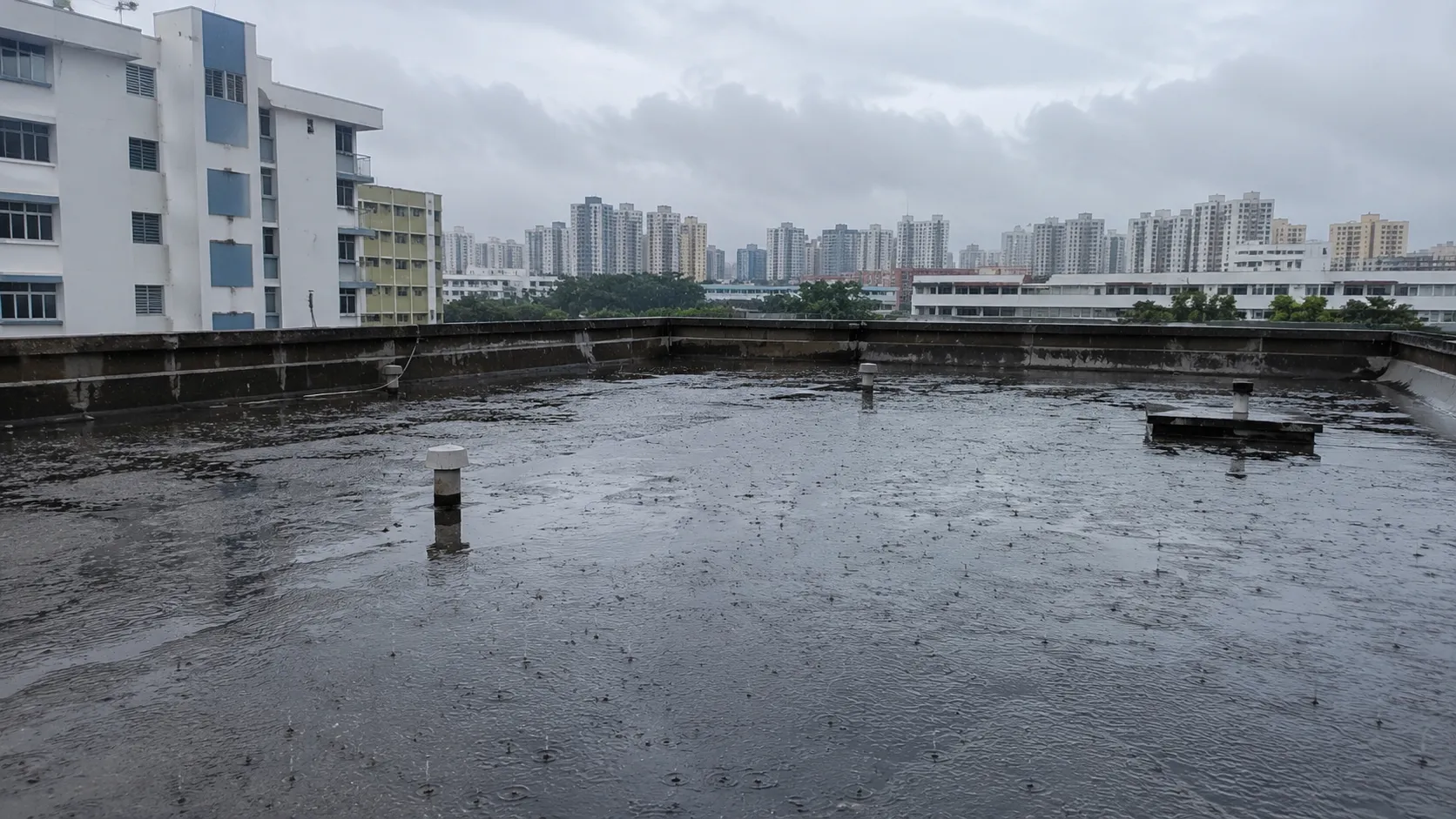
Based on Meteorological Service Singapore’s current long-term climate reference, Singapore receives approximately 2,534 mm of rainfall in an average year. In 2025, islandwide rainfall reached 2,984.9 mm, around 18% above the long-term average. With roofs regularly exposed to heavy rain and tropical weather conditions, roof leakage is a common property maintenance concern in Singapore. What begins as a small area of water ingress can become more difficult and costly to address if moisture continues to affect the roof structure, ceiling or surrounding finishes.
If you notice water stains, damp patches or other possible signs of leakage, knowing how to locate roof leaks and what to check first can help you decide on the appropriate next step. This guide explains the signs you can inspect yourself, basic low-risk measures that may be suitable for minor issues, and when it is better to engage a roof leakage repair specialist. We will also cover both obvious and hidden roof leaks, helping you identify potential problems early and reduce the risk of more extensive water damage.
How to Locate Roof Leaks: Signs Homeowners Can Check
When trying to locate roof leaks, start with the areas where moisture is most likely to leave visible clues. Check inside the home first, then inspect the attic or ceiling space if accessible, before looking at the roof exterior from a safe position.
Keep in mind that the first visible sign may not be directly below the source. Water can travel along roof components before appearing on a ceiling or wall. A sign of a hidden roof leakage may include unexplained stains, dampness, mould or musty odours. Keep in mind that condensation and plumbing issues can cause similar symptoms too.
Signs Inside the Home
Start with areas that can be checked safely without accessing the roof.
- Water stains: Yellow or brown marks on walls may indicate moisture entering from above.
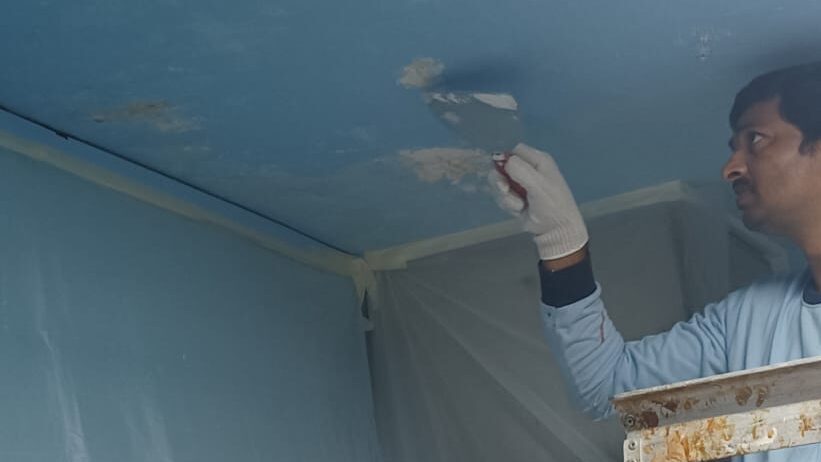
- Peeling or bubbling paint: This can suggest moisture trapped beneath the finished surface.
- Warped frames or skirting: Swelling, warping or soft areas may point to repeated moisture exposure.
- Musty odours: Persistent smells without an obvious source can indicate hidden dampness or mould.
- Mould growth: Mould around upper walls may signal an ongoing moisture problem.
Pay particular attention to signs that appear or worsen after heavy rain. This can help narrow down whether the moisture may be related to the roof rather than another source inside the property.
Signs in the Attic or Ceiling
If you have safe access to an attic, roof void or ceiling space, inspect it during daylight and use a torch to check less visible areas.
- Water trails: Dark streaks or stains on rafters and roof boards can show where moisture has travelled.
- Wet insulation: Damp, compressed or discoloured insulation may indicate water exposure.
- Damaged Structure: Soft or darkened timber, where present, or corrosion on metal components may indicate prolonged moisture exposure.
- Visible gaps: Daylight through unintended openings may identify areas that need closer inspection.
- Condensation: Droplets on roof components may indicate ventilation or humidity problems rather than direct leakage.
- Fresh moisture after rain: Drips or newly damp areas following rainfall are stronger signs of possible roof leakage.
Where possible, trace visible moisture marks upwards rather than assuming the leak is directly above the wet area.
Signs on the Roof Exterior
Exterior checks can reveal potential entry points, but you should only inspect areas that are safely accessible, do not attempt to inspect your roof exterior without proper safety equipment and measures in place, avoid walking on wet, steep or unfamiliar roofing surfaces.
- Damaged roof coverings: Cracked, broken or displaced tiles and sheets can create pathways for water.
- Faulty flashing: Gaps, lifting or corrosion around vents and roof junctions can leave vulnerable areas exposed.
- Waterproofing membrane failure: Tears, blistering, cracking or open seams may indicate that the membrane is deteriorating and no longer providing effective protection.
- Blocked gutters or drains: Leaves and debris can restrict drainage and cause rainwater to collect or overflow.
- Debris in roof valleys: Build-up can slow water flow and conceal defects underneath.
- Moss or algae: Growth does not confirm a leak, but it may indicate areas that remain damp for longer periods.
These checks can help you identify where a roof leak may be coming from, but they are not a substitute for professional diagnosis. If the source remains unclear, leakage repeatedly appears after rainfall, or inspecting the affected area would involve working at height, it is safer to engage a roof leakage repair specialist for a more detailed assessment.
DIY Roof Leak Repair Tips

These three DIY tips can help limit immediate damage while a proper assessment is arranged. They are intended only for minor issues in safely accessible areas. For HDB or condominium common property, check with the Town Council or MCST before carrying out repairs.
1. Clear Accessible Gutters and Roof Drainage Outlets
Blocked gutters can force water back under roof edges, causing leaks that may seem unrelated to drainage. Clearing gutters two to four times a year, with extra checks during monsoon periods, can help reduce this risk.
- Use a stable ladder on level ground and remove visible leaves and debris.
- Flush downpipes with water to check that they are flowing freely.
- For accessible flat-roof outlets, remove visible blockages according to the manufacturer’s instructions.
- Flush the drain and use a suitable brush if buildup remains.
If water continues to drain slowly, the blockage may be deeper in the system and should be checked by a professional.
2. Seal Small, Clearly Visible Gaps in Accessible Areas
Hairline cracks and small gaps can often be sealed with a suitable waterproof sealant, but the maximum gap width varies by product. Always check the product label or data sheet before application.
- Clean the area thoroughly and allow it to dry completely.
- Use exterior-grade filler or backing rod first if the gap exceeds the sealant’s recommended width.
- Apply the sealant at the distance and thickness stated by the manufacturer.
- Add a second coat only if required by the product instructions.
Allow the sealant to cure fully before exposing it to rain. Curing time varies by product and may take longer in humid conditions.
3. Apply a Temporary Patch to a Minor Flat-Roof Leak
A temporary patch can help reduce water entry until a proper repair is arranged. Fibre-reinforced waterproof coatings can work well for small cracks, splits or lifted seams.
- Clear dirt, moss and loose material.
- Apply the repair product beyond the damaged area.
- Reinforce visible splits or lifted seams where required.
Treat the patch as a short-term measure. How long it lasts depends on the product, application and weather exposure.
When to Call a Professional
![singapore homeowner calling an Asian roof leakage repair specialist wearing a safety helmet for professional roof leak assessment.]](https://securewaterproofing.com.sg/wp-content/uploads/2026/08/Picture2-leak-1024x577.webp)
Some roof leaks require more than a surface repair, particularly when the source is difficult to identify or access safely. These four situations are good reasons to engage a roof leakage repair specialist.
Recurring Stains Despite a Surface Patch
If the same stain returns after patching or repainting, it may be a sign of a hidden roof leakage or an unresolved moisture source. Water can enter through damaged roofing, joints or waterproofing membrane failure and appear elsewhere, leaving the actual defect untreated.
Water Appearing to Travel from an Unclear or Inaccessible Source
Water does not always appear directly below its entry point. It can travel along roof components, insulation or internal surfaces before becoming visible. If you cannot confidently locate roof leaks, a professional inspection can help trace where the water is entering before repairs begin.
Leaks That Could Be Condensation Rather Than Actual Water Entry
Condensation and roof leakage can produce similar signs, including damp patches, staining and mould. Their appearance alone may not be enough to distinguish between them. If the moisture source remains unclear, an inspection can determine whether the problem relates to water entry, condensation or another cause.
Roof Height, Pitch or Access That Makes DIY Inspection Unsafe
Steep, high or slippery roofs can make DIY inspection unsafe and increase the risk of falls. Roofing contractors working at height should use appropriate access, fall protection and safety procedures. If you cannot reach the affected area safely, leave the inspection to a trained professional.
The Benefits a Professional Diagnosis Provides
What looks like a simple roof leak may actually originate from waterproofing defects, drainage problems, roof junctions or previous building alterations. A professional diagnosis helps identify the likely source before repair work begins, reducing the risk of repeatedly treating only the visible symptoms.
| Professional Benefits | What it provides |
| Root-Cause Identification | A professional assessment helps locate roof leaks by tracing moisture pathways and checking roofing, waterproofing and drainage rather than treating only the visible stain or damp area. |
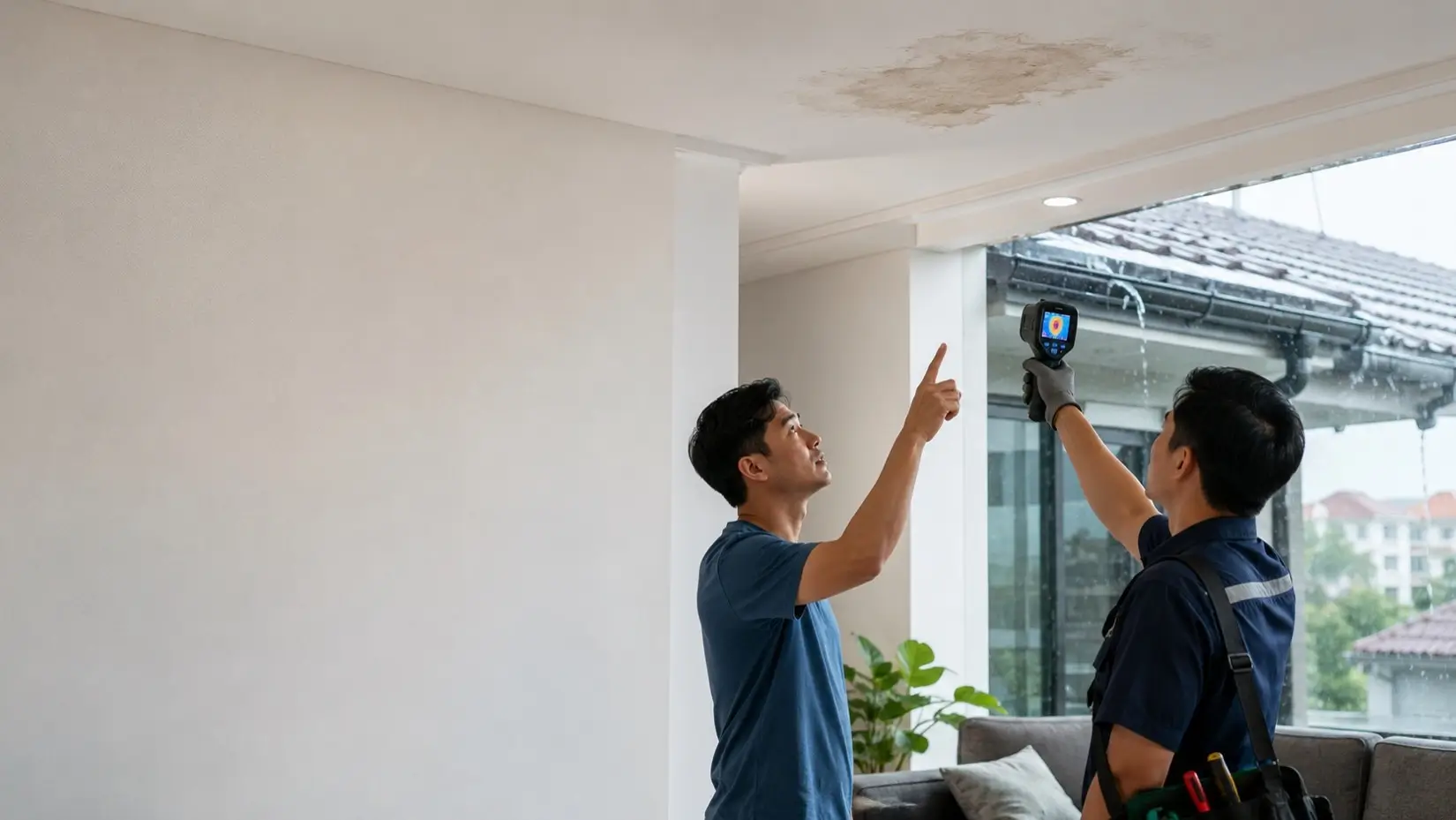
| Specialist Tools and Access | Thermal imaging can reveal temperature patterns linked to moisture, while moisture meters help assess damp areas that may not be immediately visible. |
| Safety for Height and Access Work | When roof access is difficult or unsafe, trained contractors can use suitable access equipment, fall protection and working-at-height procedures. |
| Warranty and Documentation | Depending on the contractor and scope of work, repairs may include a written workmanship warranty and documented findings for future reference. |
For property owners, contractor credentials are also worth checking before work begins. Secure Waterproofing is BCA-registered and holding bizSAFE 3 certification, giving homeowners and property managers an additional point of reference when evaluating a roof leakage repair provider.
Conclusion
Roof leaks are easier to manage when warning signs are identified early. Ceiling stains, damp timber, blocked drainage and damaged flashing can all point to moisture problems that deserve closer attention. Some minor issues may be suitable for safe DIY action, but recurring or hard-to-trace leaks should be assessed by a roof leakage repair specialist.
With Singapore’s high rainfall, regular roof checks and timely maintenance are important. Knowing what to look for, acting early and recognising when professional help is needed can reduce the risk of more extensive water damage.
FAQs
How can I identify where my roof is leaking?
Check for ceiling stains, damp timber, wet insulation, damaged flashing, missing roof coverings and blocked gutters. Keep in mind that water can travel along roof components, so the visible stain may not be directly below the entry point.
What should I do if I can’t see where the water is coming from?
Check accessible ceiling or attic spaces for water trails, damp timber, mould or bubbling paint. If you still cannot locate roof leaks, a professional inspection can help trace the source.
Which roof leak repairs can I safely do myself?
Minor DIY work may include clearing accessible gutters, sealing small visible gaps and applying temporary patches to minor flat-roof defects. Only work in areas you can reach safely and follow the repair product’s instructions.
When should I contact a professional for roof leak repairs?
Call a specialist if stains keep returning, the source is unclear, the roof is difficult to access, or you are unsure whether the moisture comes from leakage or condensation. Professional diagnosis may include thermal imaging and moisture meters
What advantages does professional leak diagnosis offer?
A professional assessment helps identify the likely source before repairs begin. It can also provide safer access to difficult areas, specialist diagnostic tools and, depending on the contractor and scope, documented findings and workmanship warranty coverage.