Concrete vs Metal: Which Roof Type Leaks Most?
Roof leaks are one of the most common maintenance headaches for property owners in Singapore. With rain falling and intense tropical heat in between, roofs here go through constant cycles of soaking, baking, and cooling. Both concrete and metal roofs can leak, but they tend to fail in different ways. Knowing how each roof type behaves in our climate makes it easier to spot early warning signs, understand roof tile leak risk, and plan the right maintenance.
Concrete Roof and Metal Roof: How Do They Differ?
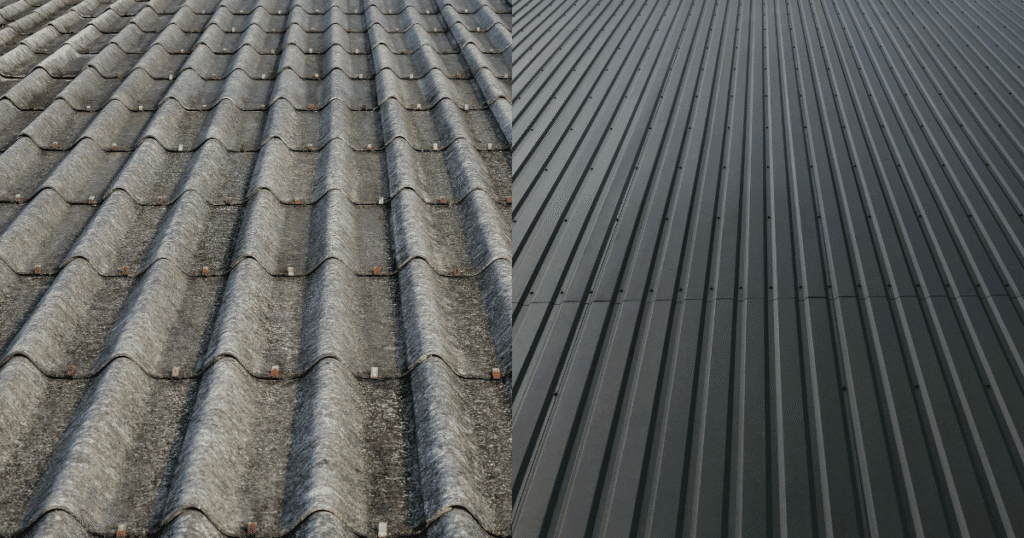
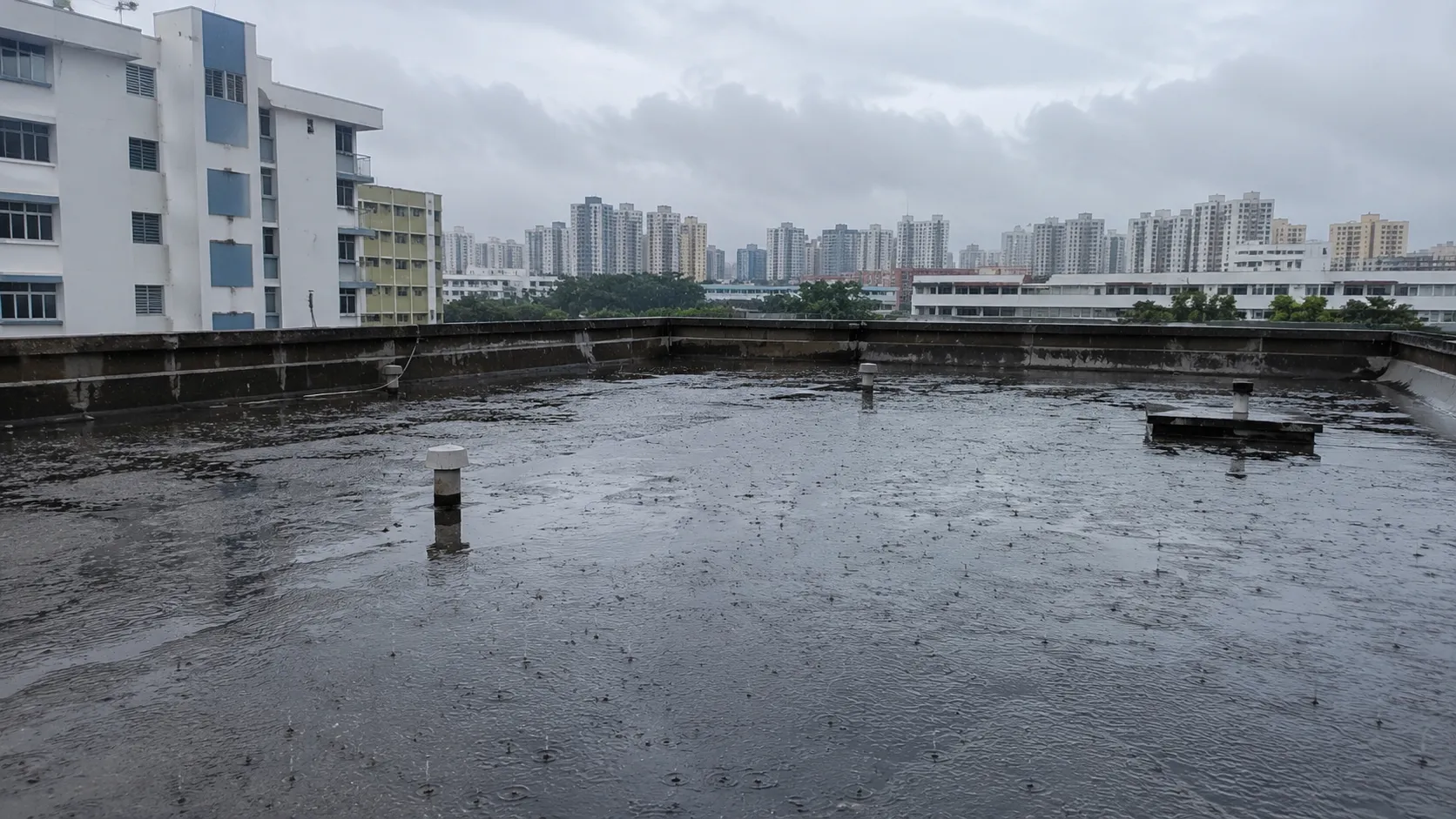
Most concrete roofs in Singapore are reinforced concrete (RC) flat roofs. You will see this type on HDB blocks, many condos, and a lot of commercial buildings. These roofs depend on a waterproofing membrane to keep rain out because the concrete itself is porous. If water gets through the membrane, it can reach the steel reinforcement inside the slab and cause rust and spalling over time.
Metal roofs are made from overlapping sheets or panels that are fixed with screws and sealed at the joints. The metal itself does not soak up water, but leaks happen at the weak points. These include screws, seams, overlaps, and flashing around roof penetrations. In Singapore’s heat, metal expands and contracts more than the sealants around it, which can open up gaps at joints over time.
Common Causes of Leaks in Concrete Roofs
Cracks and Structural Movement
Hairline cracks in the concrete slab are a major entry point for rainwater. These cracks form as the roof heats up during the day and cools down quickly during heavy showers. Over the years, this thermal shock, combined with normal structural movement, creates a network of fine cracks.
Poor Drainage
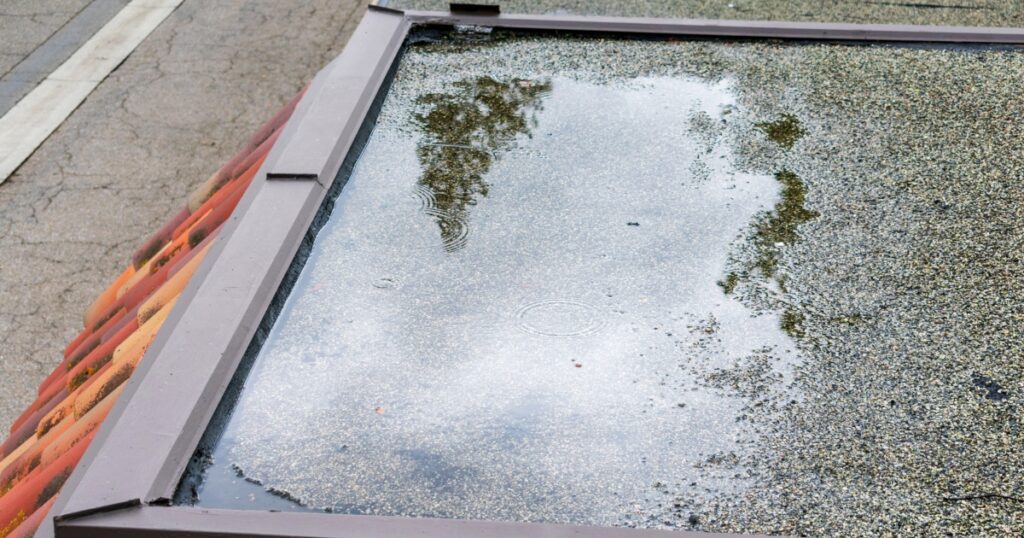
Flat roofs need a gentle slope so that water runs towards the drains. When this slope is lost or when gutters and scupper drains get blocked, water starts to pool on the roof. Standing water adds pressure on the waterproofing layer and forces moisture through tiny cracks in the concrete or screed.
Waterproofing Failure
The waterproofing membrane is the main line of defence on a concrete roof, and it does not last forever. Most membranes in Singapore need to be renewed every 5 to 15 years because UV rays, heat, and constant wetting and drying make them brittle and prone to cracking.
When the membrane blisters, lifts at the edges, or loses adhesion, water can slip underneath and travel along the slab. Poor workmanship during installation, such as not cleaning or priming the surface properly, can also cause the membrane to fail much earlier than expected.
Common Causes of Leaks in Metal Roofs
Rust and Corrosion
Modern metal roofs come with protective coatings, but these can get scratched during installation or maintenance. Rust can also start at cut edges or where different metals touch each other. Once rust takes hold, it eats through the metal and can eventually create holes.
Loosened Screws
The screws that hold metal panels in place are under constant stress from wind, thermal movement, and vibration. Over time, some screws work loose. When this happens, the rubber washers that seal them are exposed to more UV and heat, which makes them crack and perish. A single failed screw can let a surprising amount of water into the roof structure during a heavy storm.
Failed Seams and Overlaps
Metal panels overlap or interlock along their edges, and these seams are sealed with tape, sealant, or mechanical clips. Thermal expansion, poor installation, or ageing sealant can cause these seams to open up. Sealants at joints and flashings also harden and lose adhesion under Singapore’s strong UV radiation and temperature swings. Flashing around vents, pipes, and parapet walls can warp or pull away, leaving clear gaps for rain to enter.
Which Roof Type Leaks Most in Singapore’s Climate?
There is no single answer to which roofs leak more. It depends on Singapore’s rainfall, heat and humidity, and how each material responds to them. Concrete and metal roof handle these conditions differently, so the leakier roof often comes down to how well it is built, maintained and matched our climate.
Heavy Rainfall
Singapore’s long-term average annual rainfall sits around 2,340 mm, but in 2025 the island recorded 2,984.9 mm, about 18% above average.
Here is how concrete and metal roofs each respond to that volume of water:
- Concrete roofs are more affected by ponding water. Standing water puts constant pressure on cracks and weak spots in the membrane, and blocked gutters or drains let water pool and force moisture through hairline cracks that look harmless when dry.
- Metal roofs with proper slope and clear drains shed water faster and are less prone to ponding. However, heavy rain will quickly find any loose screw, failed seam, or damaged flashing.
Heat and Humidity
Singapore’s tropical climate brings high UV levels, relative humidity between 70 and 90 percent, and daily temperatures cycling between roughly 23°C and 34°C. On hot days, concrete roof surfaces can climb above 45°C, and a sudden monsoon downpour causes rapid cooling that stresses the slab and worsens existing cracks.
This heat and moisture cycle wears on each roof type in its own way:
- Concrete roofs expand in the heat and contract in the rain, leading to cracking over time. The waterproofing membrane on top also breaks down faster under strong UV and thermal stress.
- Metal roofs move more than the sealants around them, which opens up joints and loosens fasteners. High humidity also encourages rust on exposed or damaged metal surfaces.
So, which roof type leaks most? In real buildings, neither roof type is completely leak proof. Concrete roofs tend to develop leaks slowly as the membrane ages and cracks spread, while metal roof leaks can appear suddenly when a screw fails or a seam opens during a storm.
What Can You Do to Prevent Roof Leaks?
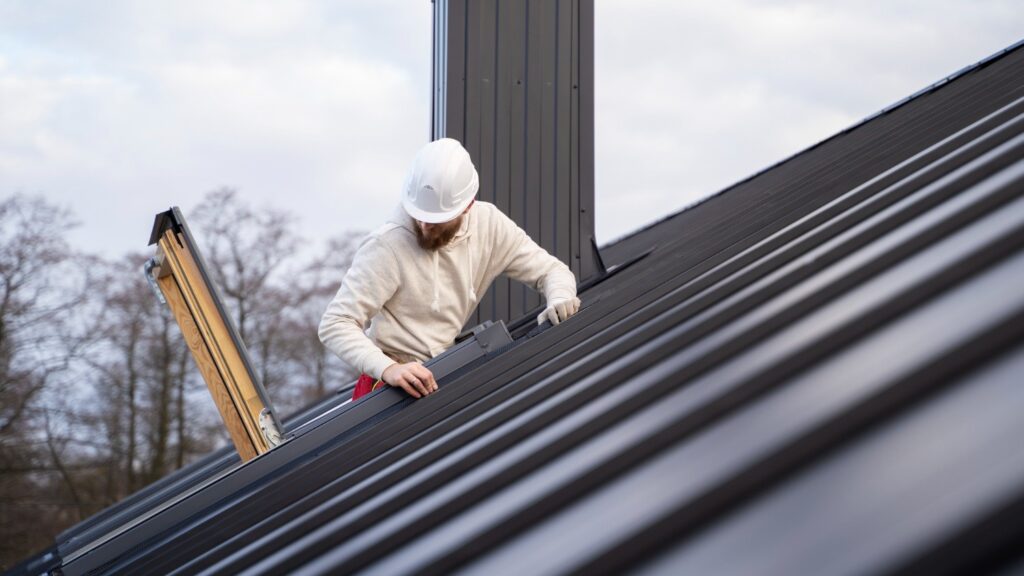
You cannot stop every leak from happening, but regular care and early roof repairs can cut the risk significantly for both concrete and metal roofs. The goal is to tackle common failure points before they turn into big problems.
Here are practical steps that work well in Singapore’s climate:
- Clear gutters and drains on a schedule: Do this at least twice a year, with extra checks before and during monsoon season.
- Inspect the waterproofing membrane regularly: Look for blisters, cracks, or lifting, and recoat or replace every 5 to 15 years depending on the membrane type.
- Seal small cracks and gaps early: Treat hairline cracks and gaps around penetrations as soon as you spot them, not after stains appear inside.
- Check metal roof screws, seams, and flashing: Re-tighten loose fasteners and apply fresh sealant or butyl tape where seams have opened.
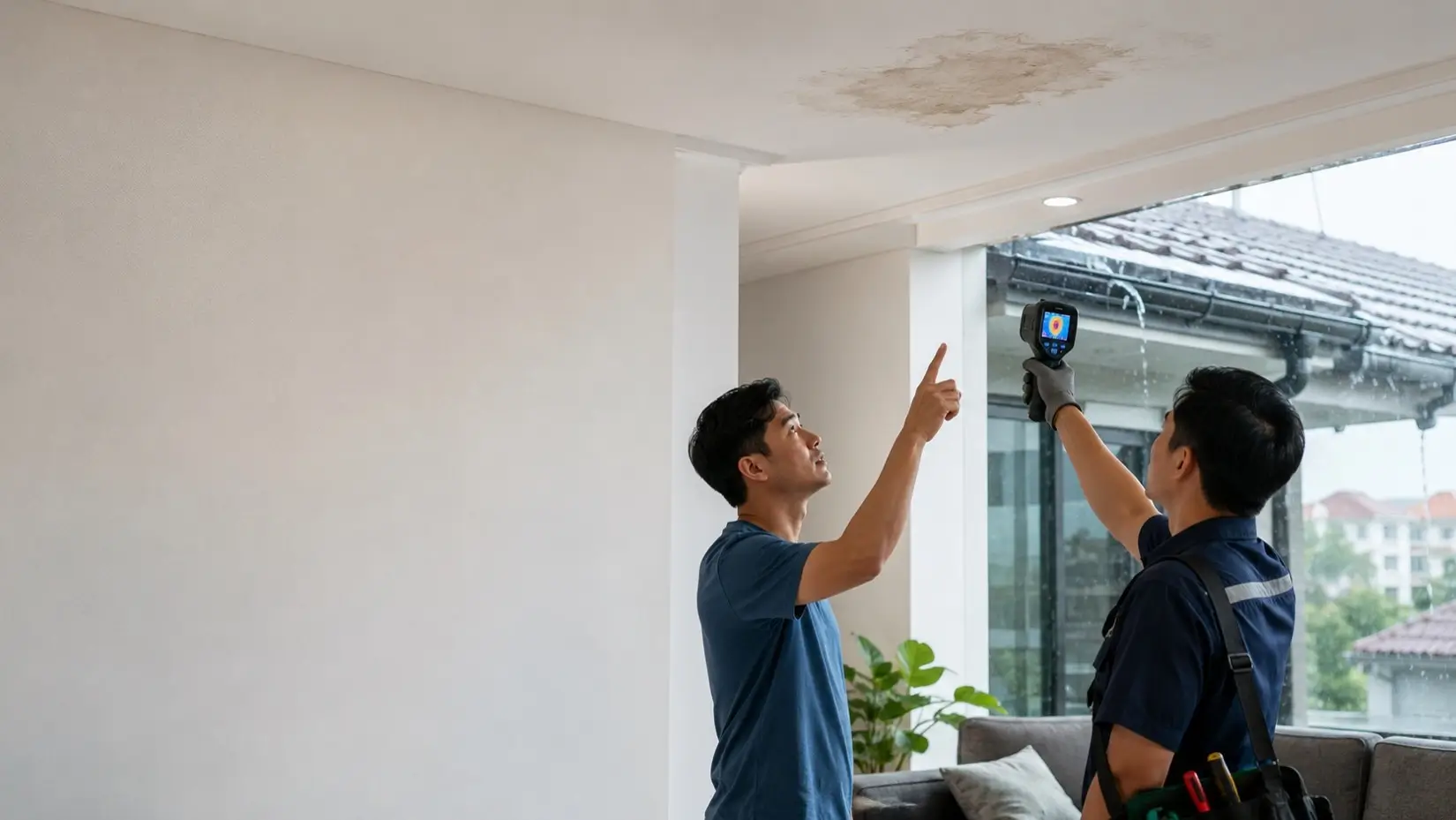
- Get professional help for recurring or hidden leaks: A specialist can use thermal imaging and moisture meters to trace what you cannot see.
Conclusion
Concrete and metal roofs both leak in Singapore, but they do so for different reasons. Concrete roofs are most at risk from ageing membranes, thermal cracks, and poor drainage that leads to ponding. Metal roofs tend to leak at screws, seams, and flashings that suffer from rust, movement, and UV damage.
Knowing your concrete roof and metal roof options helps you plan maintenance instead of reacting to damage. Regular inspections, timely clearing of drains, and prompt repair of small defects can go a long way in protecting your property from costly water damage.
FAQs
Which lasts longer, a concrete roof or a metal roof?
It depends more on maintenance than the material itself. A well-maintained concrete roof with a fresh membrane can outlast a neglected metal roof, and vice versa.
How often should I inspect my roof for leaks?
At least twice a year, with extra checks before and during monsoon season. This applies to both concrete and metal roofs.
Is it more expensive to fix a concrete roof leak or a metal roof leak?
Metal roof fixes like a screw or seam are usually quick and cheap. Concrete roof repairs can cost more if the whole waterproofing membrane needs replacing.
Can I tell what type of leak I have just by looking at the stain inside my home?
Not really. Water often travels before it drips through, so the stain rarely shows exactly where the leak started.