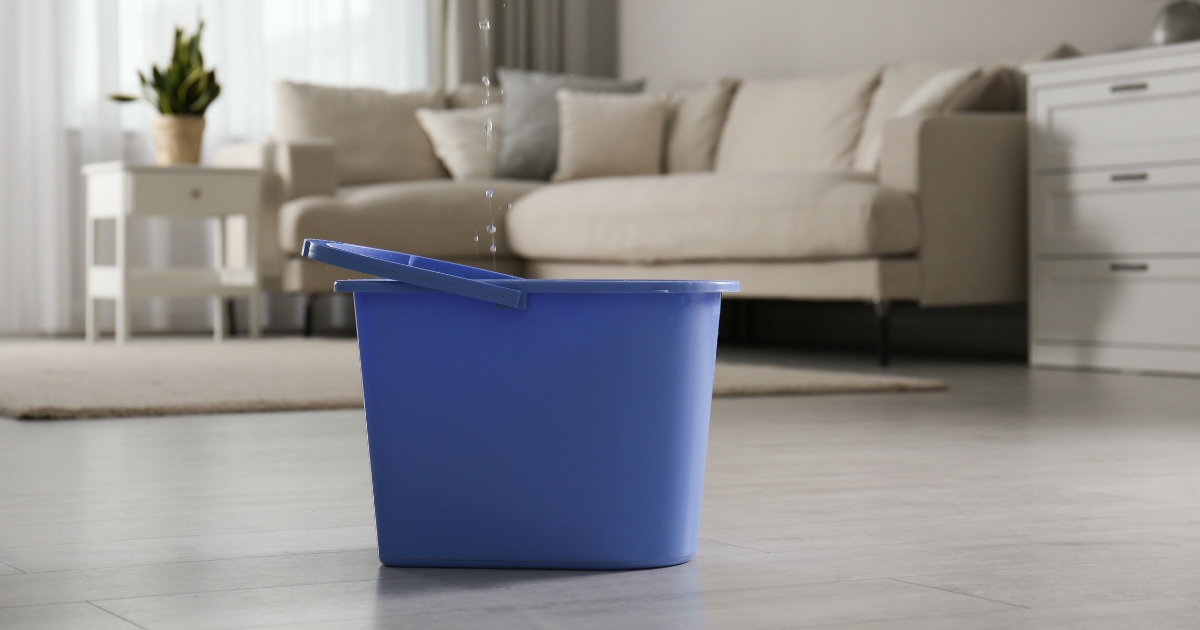
What Happens If You Leave an Untreated Roof Leak Alone?
A roof leak can begin with a small ceiling mark or an occasional drip. It may not seem urgent, especially if the water stops once the rain ends.
However, the roof may still be allowing water into the building. An untreated roof leak can add more moisture to the same area with each period of rain, affecting the roof, ceiling and the interior of the house.
In Singapore, roofs face frequent rain, strong sunlight and high humidity throughout the year. These conditions can wear down waterproofing membranes, sealants, roof joints and drainage components. Finding the cause early can help prevent the problem from becoming more difficult to fix.
How Roof Leaks Progress Over Time
A leak usually starts at a weak spot on the roof. This could be a crack in concrete, damaged waterproofing, a loose screw on a metal roof, a worn seal or a blocked drain.
Water does not always fall straight down. It may travel along the underside of the roof, through the gap above the ceiling or across a wall before showing up indoors. This means the first visible sign may appear some distance from where the water entered.
At first, you may only notice the leak after heavy rain. If water keeps entering through the same area, the surrounding materials can stay damp for longer. Over time, this can weaken ceiling boards, cause metal parts to rust and allow water to spread further into the roof.
What Happens If You Leave an Untreated Roof Leak?
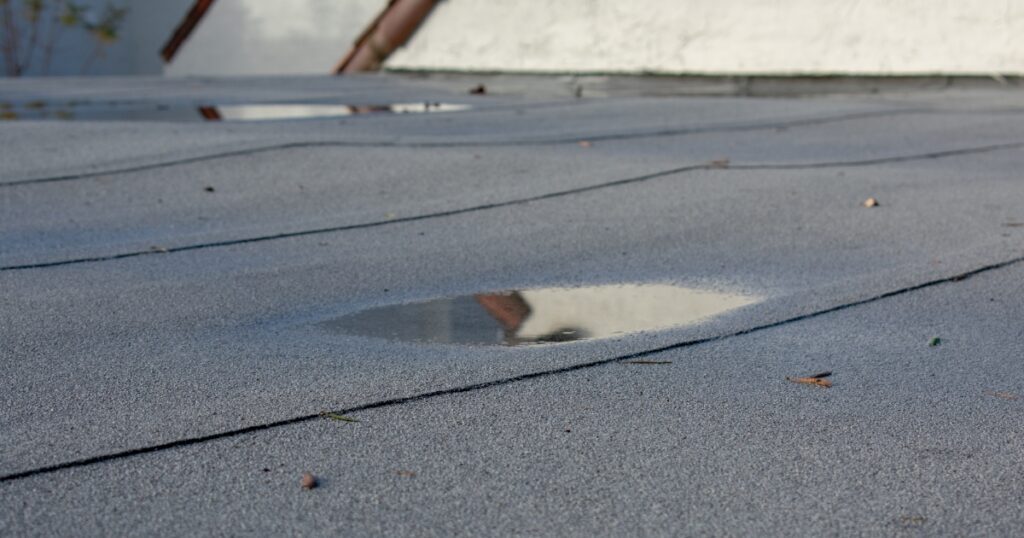
Roof leak structural damage risks
Different roof types react to water in different ways. When water reaches the steel reinforcement inside a concrete roof, the steel can rust and expand, which may crack the concrete or cause pieces to break away in advanced cases. On metal roofs, sheets, screws and fixings can corrode over time, while on tiled roofs, water can get in through cracked or displaced tiles and damaged flashing.
The extent of the damage depends on the type of roof, the location of the leak and how long the water has been entering. A small leak does not automatically mean there is structural damage, but an untreated roof leak increases the risk over time.
Interior and finishes damage
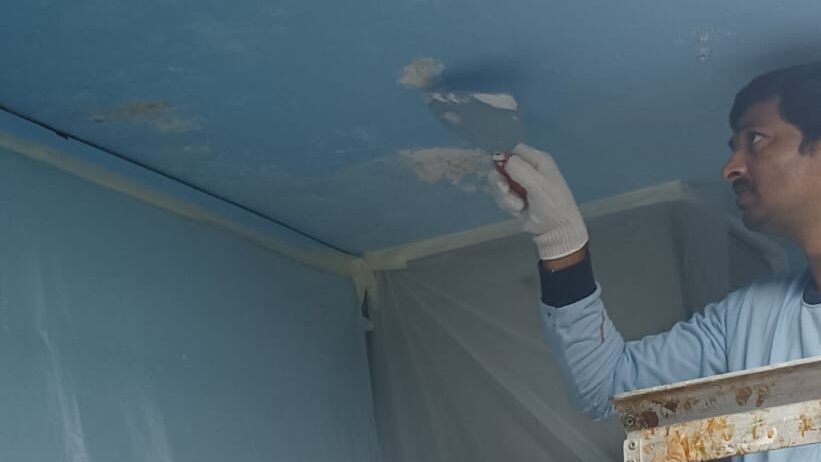
Water can degrade the parts of the home or building that are easiest to see and use. Ceiling boards may lose strength and begin to sag. Paint and plaster can peel, crack or bubble. Timber-based materials such as skirting boards, doors and cabinetry may swell, warp or change shape.
In severe cases, sections of ceiling or wall finishes may need to be removed and replaced rather than simply repaired.
Mould growth and indoor air quality
A roof leak can leave the ceiling, walls or other hidden areas damp. Mould may grow if these materials remain wet and do not dry properly. In Singapore’s humid climate, damp materials dry slowly, which gives mould more time to grow. Opening windows or using fans can help air movement, but ventilation will not fix moisture that keeps coming from an active roof leak.
Electrical and safety hazards
Water near electrical fittings needs quick attention. A roof leak may reach ceiling lights, fans, wiring, switches or other equipment hidden above the ceiling.
This can increase the risk of electric shock, short circuits or fire, especially if water reaches electrical parts that are still carrying electricity. For this reason, an untreated roof leak near electrical fittings should never be left to ‘wait and see’.
Pest infestations
Damp ceiling gaps and damaged finishes can give pests such as cockroaches, ants and rats more places to hide or enter. A leak is rarely the only cause, as blocked gutters, standing water and gaps around the roof edge can also attract them.
Energy efficiency and running costs
Water can damage insulation under the roof or inside a ceiling. Wet or damaged insulation may not protect the room from heat as well. This can make an air-conditioned room harder to keep cool. The system may need to run for longer, which can increase electricity use.
Warning Signs Your Roof Needs Immediate Attention
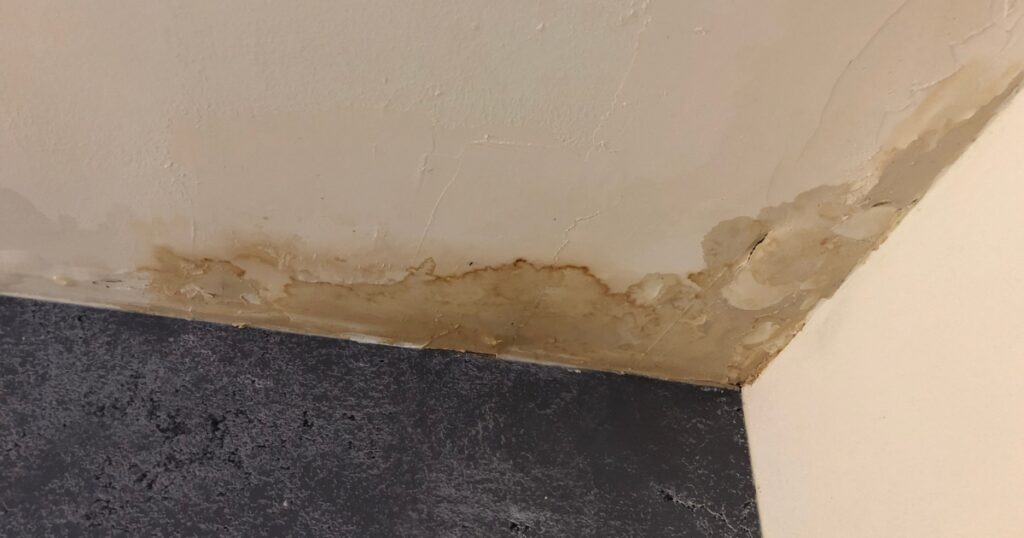
Roof problems can show up in different ways. Sometimes, you may notice signs inside your home before you see a problem on the roof.
Interior signs
You may notice changes such as:
- Water marks or stains on the ceiling that spread down the wall
- A musty smell that gets stronger after rain
- Dripping or damp areas during or soon after rain
- A water stain that comes back after repainting
- Damp patches that get bigger after wet weather
- Mould around ceilings, walls or other areas that are usually dry
For top-floor flats, the Ministry of National Development notes that ceiling leaks can occur because water seeps into the flat through the roof. A stain on the ceiling may therefore point to a roof leak, even if you cannot see an obvious drip.
Electrical signs
A roof leak needs more attention when water reaches areas containing electrical equipment. Watch for signs such as:
- Water near a ceiling light or fan
- Flickering lights after rain
- Buzzing or crackling sounds
- A burning smell
- A circuit breaker that keeps tripping
- Moisture around electrical wiring above the ceiling
Do not touch a wet light fitting or attempt to inspect wiring yourself. Water-damaged electrical equipment should be checked by a qualified electrician before it is used again. Drying the equipment may not remove all hidden damage or safety risks.
Exterior signs
Problems may also be visible on the roof itself, including:
- Cracks in concrete or roof coatings
- Blisters or lifted areas in waterproofing
- Rust around metal sheets or screws
- Loose roof tiles
- Damaged flashing
- Gaps around pipes, vents or other roof openings
- Cracked or damaged sealant
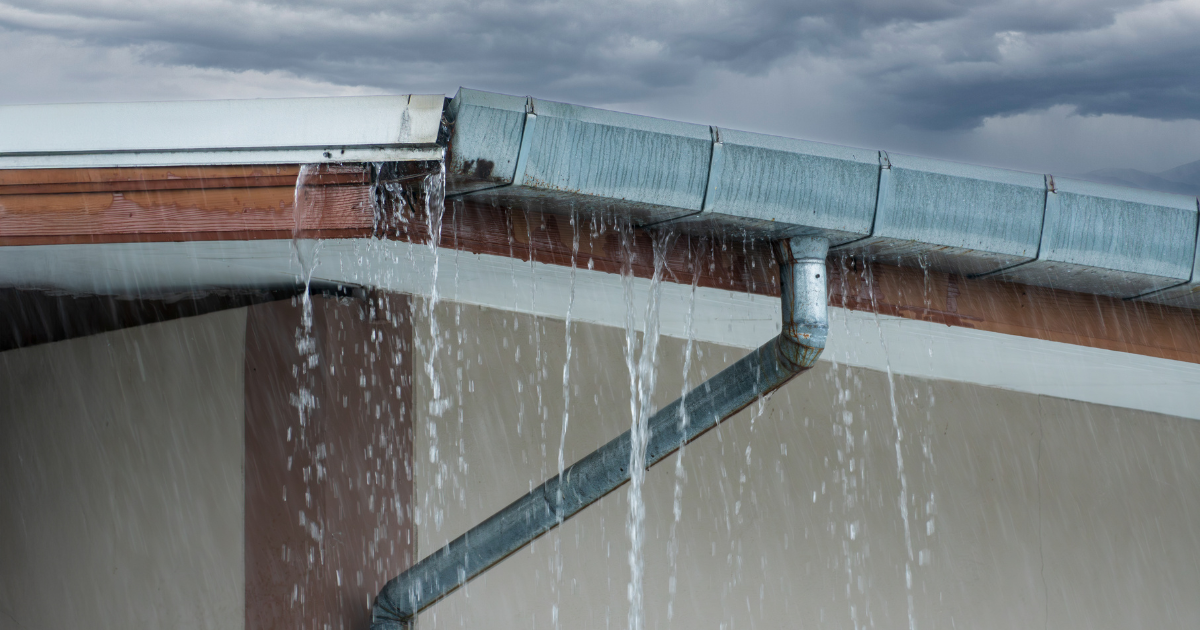
- Blocked gutters or downpipes
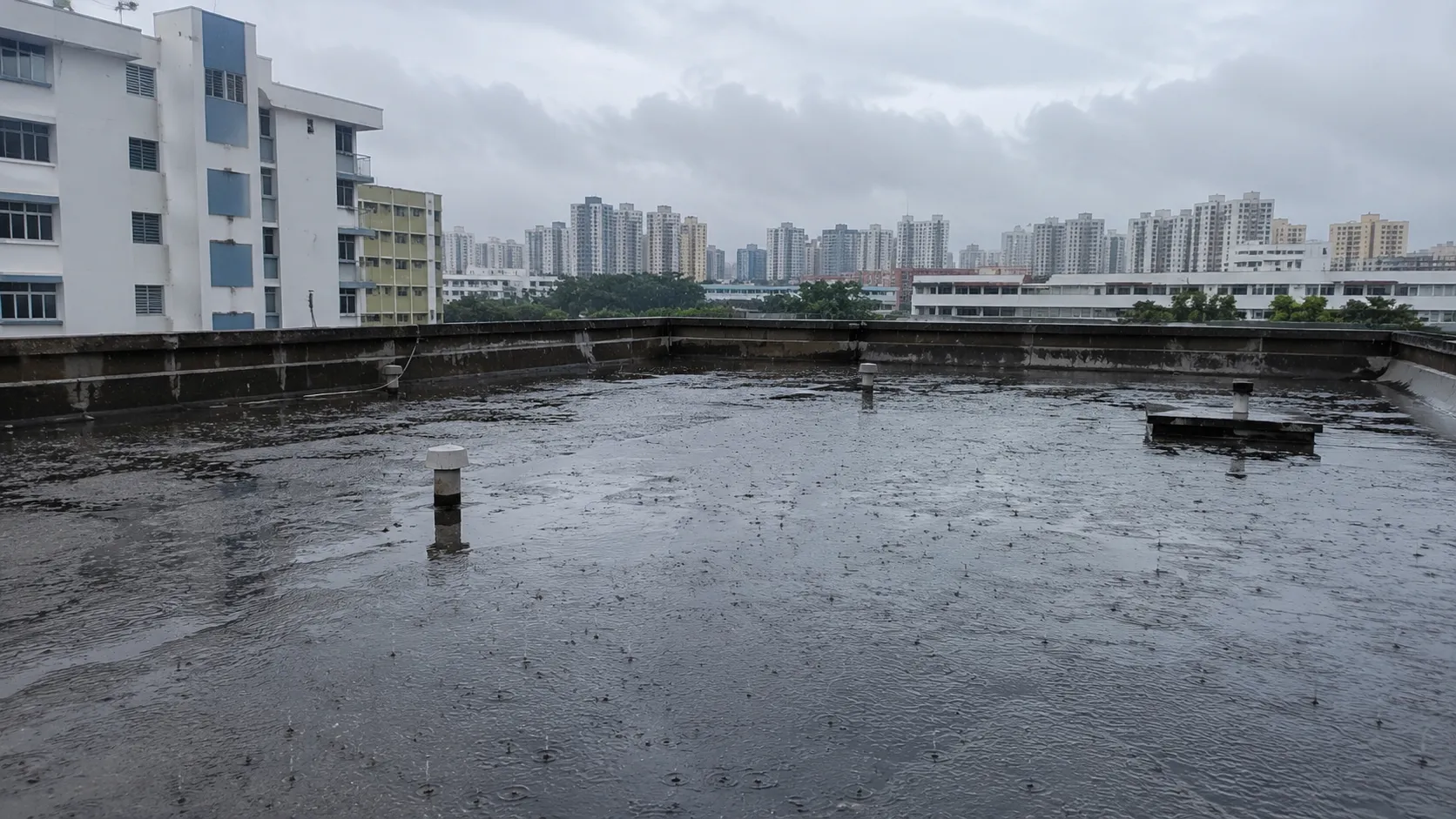
- Water that remains on the roof after rain
These signs can point to areas that may need closer inspection, but they do not always identify the exact source of a leak. Roof inspections can be dangerous when the surface is wet, so do not climb up to check yourself. Speak to a roof waterproofing specialist who has the right equipment and training to inspect the roof safely.
How Costs Escalate If You Wait
If you live in an HDB flat, the block roof is managed by your Town Council, so the roof repair itself is not something you would pay for. But a leak left unreported can still damage the inside of your home, and that is where repair costs can start to add up.
For private property, the cost of repairing a roof leak depends on the cause, roof type, size of the affected area and condition of the materials. When a leak is identified early, the repair may only involve the damaged part of the roof. This could involve repairing a joint, replacing a damaged sealant or fixing part of the waterproofing.
If the leak continues, more parts of the building may be affected by water. This can increase the scope of work beyond the original roof defect, make the repair more extensive and increase the cost. What starts as a small roof repair may then require work on other parts of the building as well.
Waiting may also lead to separate costs, and these are among the consequences of ignoring a roof leak that many owners overlook:
- Ceiling repairs
- Repainting
- Mould treatment
- Electrical inspection
- Damaged flooring or cabinetry
- Gutter and drainage work, mainly for private property
Repeatedly covering a stain without repairing the roof may leave the problem unresolved. Over time, this can lead to more repairs and higher costs.
What to Do Next
If you notice signs of a roof leak:
- Take photographs: Record the stain, dripping water or visible roof damage. If possible, take photos during and after rain.
- Move belongings away: Protect furniture, electronics and other items from water.
- Avoid wet electrical fittings: Do not touch lights, fans, switches or wiring that may have been exposed to water.
- Do not paint over the stain yet: The surface should be checked before cosmetic work is carried out.
- Check whether the problem returns: Note whether the leak appears after heavy rain or remains present during dry weather.
- Report the leak: If you live in an HDB flat, report the leak to your Town Council. If you live in a condominium, inform your management corporation (MCST). If you the roof is part of your own property, such as in landed housing, arrange an inspection with a qualified waterproofing contractor.
- Use a qualified electrician when needed: Electrical equipment exposed to water should be assessed before use.
Why Professional Waterproofing Matters
Because water rarely drips where it enters, patching the visible stain often misses the real cause. An inspection traces the water back to its entry point, so the repair targets the right spot.
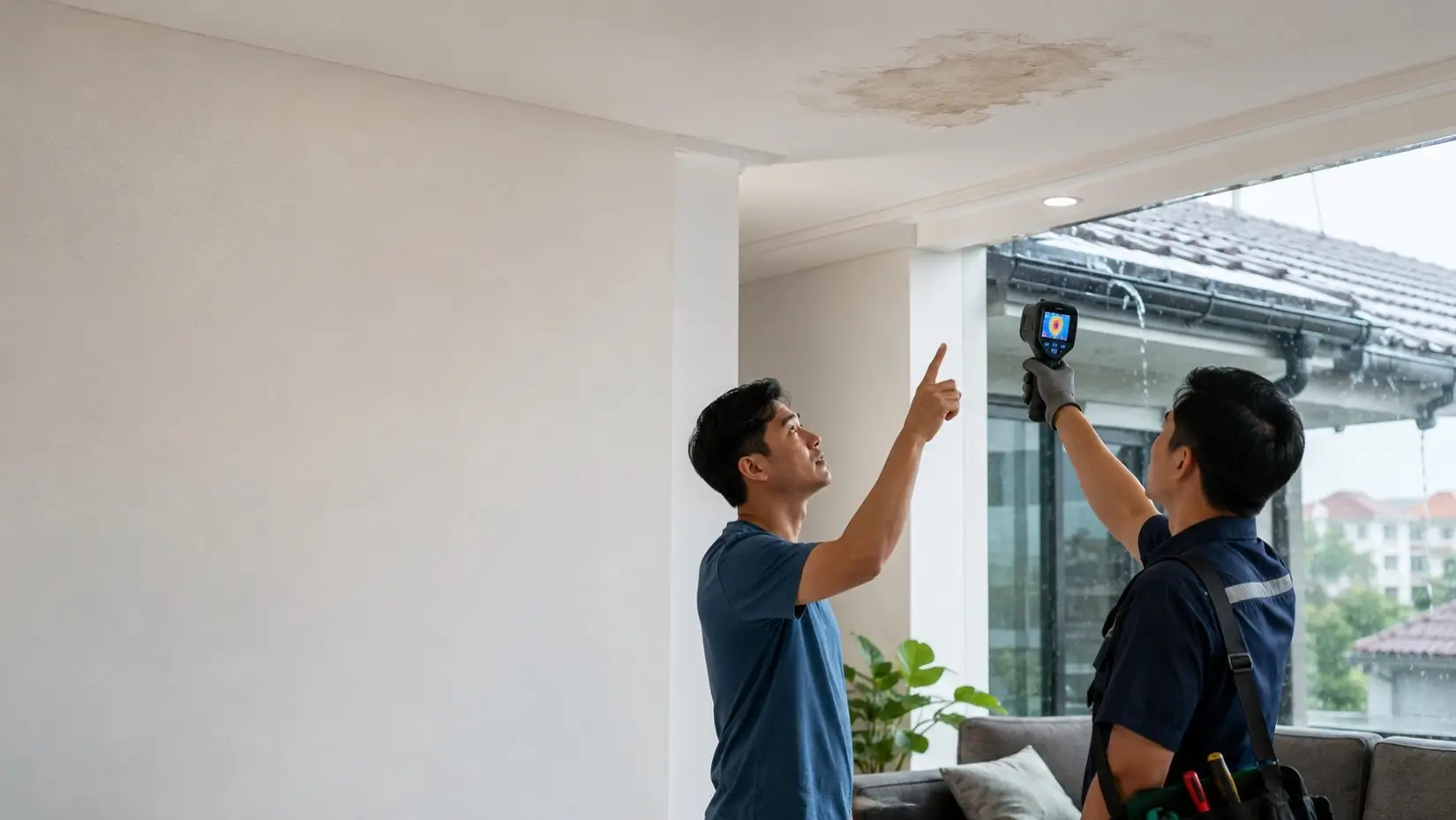
A professional inspection can check the roof surface, waterproofing layer, joints, flashings, gutters, downpipes and areas around pipes or other openings. The right repair can then be chosen based on the type and condition of the roof. This helps stop an untreated roof leak before it leads to structural damage.
A proper roof repair should fix the point where water is entering. Secure Waterproofing provides roof waterproofing and water leakage repair services for homes and commercial properties in Singapore. Its services include roof waterproofing, concrete repair, leak detection, rope access work and wet-area waterproofing.
Conclusion
An untreated roof leak can gradually affect the roof, ceiling and interior of a property. It may also create mould, electrical and pest-related concerns if water continues to enter the building.
The first signs may be easy to miss. However, if the same problem keeps returning, the roof should be checked rather than covered up.
Fixing a leak early usually means repairing only the point where water enters, rather than the damage it causes later. Understanding the consequences of ignoring a roof leak makes it easier to act before the damage spreads. If the leak keeps returning or is difficult to find, a professional waterproofing assessment can help identify what needs to be repaired.
FAQs
How quickly can a small roof leak cause serious damage?
A small leak can cause problems within days. In Singapore’s humid climate, mould can grow on materials that stay damp for a couple of days, while other damage builds up over weeks or months.
Can I just repaint over a water stain instead of fixing the roof?
No. Repainting only covers the stain and does not stop the leak. The source should be repaired before repainting.
When does a roof leak become an electrical emergency?
Treat it as urgent if water reaches lights, fans or wiring, or you notice flickering, buzzing, a burning smell or a tripping circuit breaker. Do not touch wet electrical fittings and contact a qualified electrician.
Do roof leaks always mean the whole roof must be replaced?
No. Many leaks can be fixed by repairing the affected area, such as damaged waterproofing, joints or flashing. A full replacement may only be needed if the roof has widespread or serious damage.